
Le Labo Santal 33 vs Diptyque Tam Dao
Cardamom, Violet, Leather & Australian Sandalwood vs Pure Temple Mysore Sandalwood & Cypress
Santal 33 projects an iconic leathery-iris trail; Tam Dao offers meditative, pure creamy wood serenity.
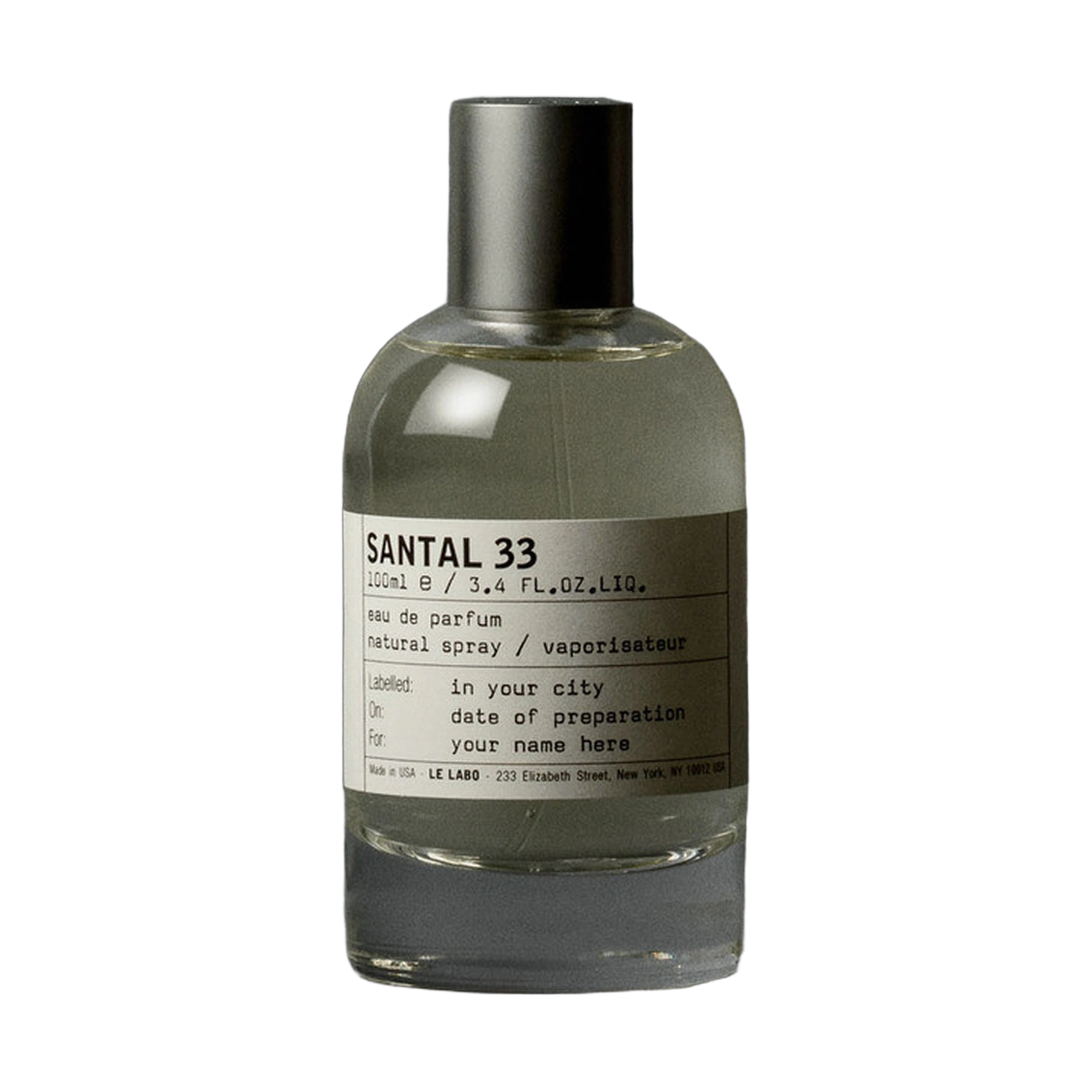
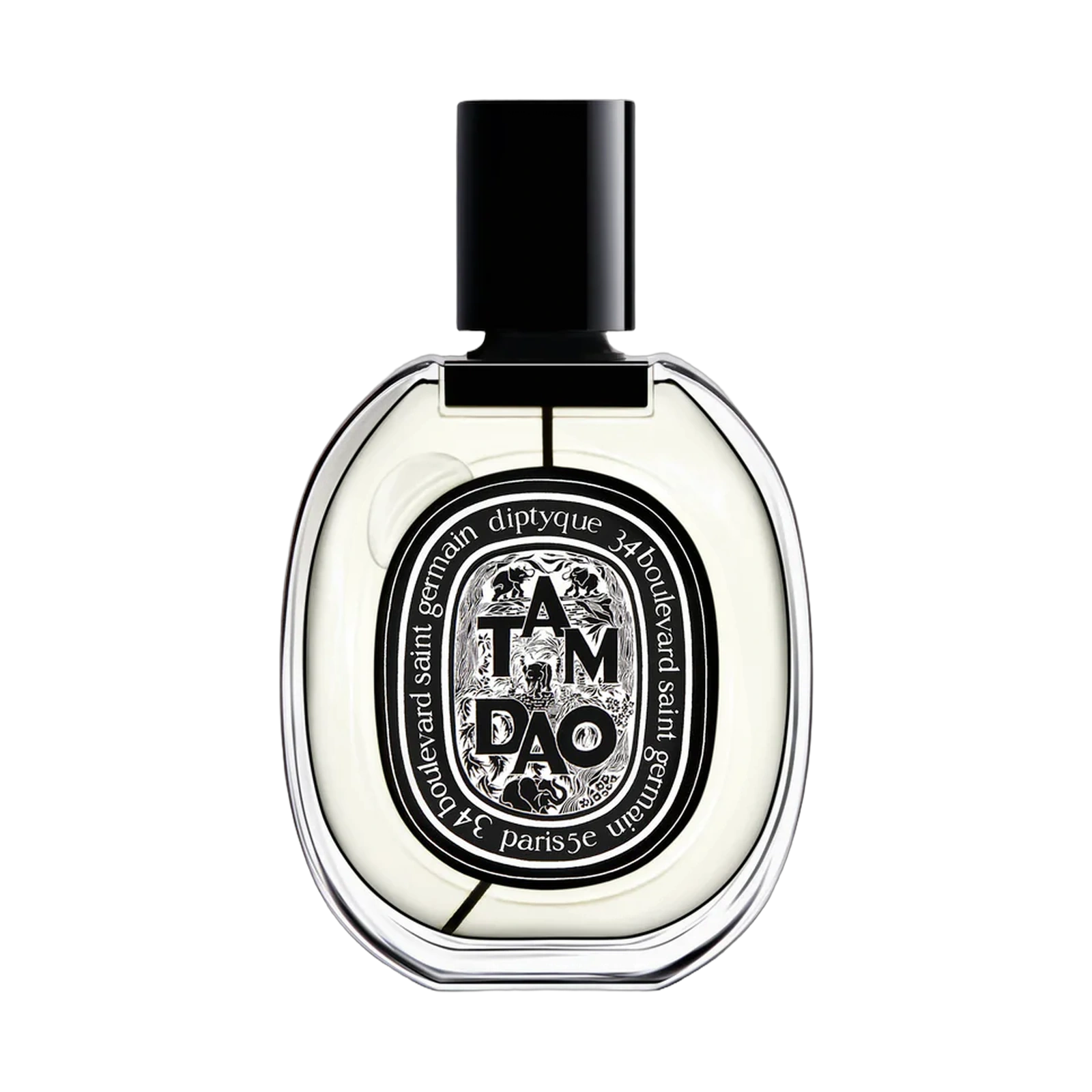
Santal 33 vs Tam Dao: Laboratory Specification Matrix
In laboratory wear-tests, Le Labo Santal 33 (Eau de Parfum) achieves a skin longevity of 12-14 Hours with Strong (1-2 Meters) sillage, whereas Diptyque Tam Dao (Eau de Parfum) records 7-9 Hours with Moderate (Arm's Length) sillage.
| Parameter | Le Labo Santal 33 | Diptyque Tam Dao |
|---|---|---|
| Maison / Brand | Le Labo | Diptyque |
| Concentration / Year | Eau de Parfum (2011) | Eau de Parfum (2003) |
| Longevity (Hours) | 12-14 Hours | 7-9 Hours |
| Sillage / Projection | Strong (1-2 Meters) | Moderate (Arm's Length) |
| Master Perfumer | Frank Voelkl | Daniel Moliere |
| Top Notes (Opening) | ||
| Heart Notes (Core Character) | ||
| Base Notes (Drydown & Fixatives) | ||
| GC-MS Molecules | Australian Sandalwood oil, Isobutyl Quinoline, Ambrox | Santalol (Goa Sandalwood), Cedrol, Cypress oil |
Key Questions: Santal 33 vs Tam Dao
1Which lasts longer: Santal 33 or Tam Dao?
Which lasts longer: Santal 33 or Tam Dao?
In laboratory wear-tests, Le Labo Santal 33 (Eau de Parfum) achieves a skin longevity of 12-14 Hours with Strong (1-2 Meters) sillage, whereas Diptyque Tam Dao (Eau de Parfum) records 7-9 Hours with Moderate (Arm's Length) sillage.
2What is the main olfactory difference between Santal 33 and Tam Dao?
What is the main olfactory difference between Santal 33 and Tam Dao?
Santal 33 opens with Violet, Cardamom over a base of Cedarwood, Leather, Sandalwood (anchored by Australian Sandalwood oil, Isobutyl Quinoline, Ambrox), while Tam Dao features Italian Cypress, Myrtle, Rose transitioning into a base of Brazilian Rosewood, Spices, Amber (powered by Santalol (Goa Sandalwood), Cedrol, Cypress oil). Santal 33 projects an iconic leathery-iris trail; Tam Dao offers meditative, pure creamy wood serenity.
Related 1v1 Duels
 Creed
 Nishane
Creed Aventus vs Nishane Hacivat
The Imperial Crown War: Pineapple, Birch & Oakmoss Chypre
 Xerjoff
 Tom Ford
Xerjoff Naxos vs Tom Ford Tobacco Vanille
Gourmand Honey & Cinnamon vs Dark Pipe Tobacco & Dried Fruit
 Dior
 Chanel
Dior Sauvage vs Bleu de Chanel
The Original Blue Titans: Pepper-Ambroxan vs Grapefruit-Incense-Cedar
 Dior
 Chanel
Dior Sauvage Elixir vs Bleu de Chanel Parfum
Spicy Nuclear Night Monster vs Elegant Aristocratic Sandalwood
Iconic Fragrance Showdowns
Click any showdown to load instant molecular comparison, note overlap, and longevity verdict.
CreedNishaneCreed Aventus vs Nishane Hacivat
The Imperial Crown War: Pineapple, Birch & Oakmoss Chypre
XerjoffTom FordXerjoff Naxos vs Tom Ford Tobacco Vanille
Gourmand Honey & Cinnamon vs Dark Pipe Tobacco & Dried Fruit
DiorChanelDior Sauvage vs Bleu de Chanel
The Original Blue Titans: Pepper-Ambroxan vs Grapefruit-Incense-Cedar
DiorChanelDior Sauvage Elixir vs Bleu de Chanel Parfum
Spicy Nuclear Night Monster vs Elegant Aristocratic Sandalwood
 Maison Francis Kurkdjian
 Maison Francis Kurkdjian
MFK Baccarat Rouge 540 vs Grand Soir
Molecular Ambergris & Saffron vs Regal Warm Amber & Benzoin
Maison Francis Kurkdjian Maison Francis Kurkdjian
BR540 Eau de Parfum vs BR540 Extrait de Parfum
Airy Crystalline Sillage vs Bitter Almond & Dense Ambergris Heart
 Parfums de MarlyXerjoff
Parfums de Marly Layton vs Xerjoff Naxos
Spicy Vanilla-Apple Seduction vs Honeyed Tobacco Italian Nobility
Xerjoff Mancera
Xerjoff Naxos vs Mancera Red Tobacco
Refined Mediterranean Honey vs Beastmode Nuclear Red Spices & Tobacco
 Amouage
 Amouage
 Interlude Man vs Interlude Black Iris
The Original Nuclear Blue Beast vs Tamed Violet-Iris Leather Masterpiece
 AzzaroMaison Francis Kurkdjian
Azzaro The Most Wanted Parfum vs MFK Grand Soir
Fiery Red Ginger & Bourbon Vanilla vs Regal Spanish Labdanum & Benzoin
 BvlgariDior
Bvlgari Man Wood Essence vs Dior Sauvage Elixir
Botanical Cypress & Vetiver Harmony vs Concentrated Cinnamon-Lavender Powerhouse
 Kilian
 Parfums de Marly
Kilian Angels' Share vs Parfums de Marly Oajan
Oak-Barrel Cognac & Praline vs Honeyed Cinnamon & Benzoin Resin
Parfums de Marly Parfums de Marly
 Layton vs Althaïr
Cardamom-Apple-Vanilla Icon vs Orange Blossom & Bourbon Vanilla Praline
 Initio Parfums Prives
 Maison Francis Kurkdjian
Initio Oud for Greatness vs MFK Oud Satin Mood
Saffron, Nutmeg & Dry Sacred Agarwood vs Damascus Rose, Violet & Velvety Vanilla Oud
 Tom Ford
 Creed
Tom Ford Oud Wood vs Creed Royal Oud
Cardamom, Rosewood & Creamy Sandalwood vs Pink Pepper, Galbanum & Regal Cedarwood
 Le Labo
 Diptyque
Le Labo Santal 33 vs Diptyque Tam Dao
Cardamom, Violet, Leather & Australian Sandalwood vs Pure Temple Mysore Sandalwood & Cypress
 Xerjoff
 Tiziana Terenzi
Xerjoff Erba Pura vs Tiziana Terenzi Kirkè
Sicilian Citrus, White Musk & Madagascar Vanilla vs Passionfruit, Peach, Pear & Warm Sand
 Louis Vuitton
 Louis Vuitton
 Imagination vs L'Immensité
Chinese Black Tea, Citron & Ambroxan vs Crisp Grapefruit, Ginger & Marine Amber
 Parfums de Marly
 Parfums de Marly
 Delina vs Delina Exclusif
Crisp Rhubarb, Lychee & Dewy Turkish Rose vs Creamy Pear, Vanilla, Oud & Incense Rose
Creed Creed
Creed Aventus vs Absolu Aventus
Crisp Pineapple, Birch & Oakmoss Chypre vs Grapefruit, Blackcurrant, Cinnamon & Dark Patchouli
 BDK Parfums
 BDK Parfums
BDK Gris Charnel EDP vs Gris Charnel Extrait
Airy Fig, Black Tea, Iris & Sandalwood vs 30% Concentrated Patchouli, Vanilla & Smoked Tonka
 Tom Ford
 Tom Ford
 Ombré Leather vs Tuscan Leather
Cardamom, Jasmine Sambac & Smooth Black Leather vs Saffron, Raspberry & Raw Artisanal Hide
 Initio Parfums PrivesKilian
Initio Side Effect vs Kilian Angels' Share
Dark Caribbean Rum, Tobacco & Saffron vs Oak-Aged Cognac, Cinnamon & Praline
 NishaneParfums de Marly
Nishane Ani vs Parfums de Marly Althaïr
Blue Ginger, Green Bergamot & Spiced Vanilla Extrait vs Orange Blossom, Cardamom & Bourbon Vanilla
 Louis Vuitton
 Xerjoff
Louis Vuitton Ombre Nomade vs Xerjoff Alexandria II
Smoky Assam Oud, Raspberry & Benzoin Tears vs Lavender, Rosewood, Cinnamon & Aged Laotian Oud
Frequently Asked Questions: Fragrance Comparison & Accord Synergy
Technical guidance on note pyramids, raw material interaction, skin thermodynamics, and concentration ratios.
01Molecular AnalysisHow is olfactory similarity and note overlap mathematically calculated?
How is olfactory similarity and note overlap mathematically calculated?
The calculation models three weighted coefficients: Raw ingredient matching across top, heart, and base pyramid tiers (45% weight), accord family spectrum harmony (35% weight), and kinetic intersections of fixative aromachemicals such as Ambroxan, Iso E Super, Hedione, and Evernyl (20% weight).
02Concentration & SillageWhat is the empirical wear and projection difference between Extrait de Parfum and Eau de Parfum (EDP)?
What is the empirical wear and projection difference between Extrait de Parfum and Eau de Parfum (EDP)?
Extrait formulations contain 25% to 40% pure fragrance oils, significantly reducing evaporation speed and extending skin longevity to 14-24 hours while staying closer to the body. EDPs (15-20% oils) feature higher volatile alcohol content, delivering wider projection during the initial 2-3 hours before settling into a skin scent.
03Seasonal ThermodynamicsWhy do two fragrances from the same olfactory family behave completely differently in contrasting climates?
Why do two fragrances from the same olfactory family behave completely differently in contrasting climates?
Ambient temperature and relative humidity directly govern the kinetic energy of volatile molecules. Delicate citrus and fresh fruits expand rapidly in high temperatures, whereas dense resins, amber, leather, and tobacco linger in freezing air to create an enduring protective sillage shield.
04Fragrance LayeringDoes fragrance layering compromise the chemical balance of master formulations?
Does fragrance layering compromise the chemical balance of master formulations?
When applied with proper base-to-top hierarchy, layering can yield an extraordinary bespoke signature. High-molecular-weight woody or resinous bases must dry down first before layering lighter floral or citrus compositions on top. Layering two dense resinous scents simultaneously over-saturates olfactory receptors.
05Skin Chemistry & TextilesWhy does the same perfume smell and perform noticeably differently on different skin types versus textiles?
Why does the same perfume smell and perform noticeably differently on different skin types versus textiles?
Epidermal moisture, lipid (sebum) density, and skin pH directly dictate aromachemical adhesion. Oily skin traps volatile molecules for extended wear, whereas dehydrated skin accelerates alcohol evaporation. Textile fibers remain unaffected by body thermodynamics, preserving top and heart notes unchanged for days.